Paganism and the Different Branches
Paganism is a broad term that encompasses a variety of spiritual beliefs, traditions, and practices often rooted in nature, polytheism, and ancient customs. It is not a single unified religion but rather an umbrella term for diverse paths, each with its own unique focus and principles. Some of the most well-known branches of Paganism include Wicca, Druidry, Heathenry, Hellenism, and eclectic Paganism, though many more exist. Wicca emphasizes the worship of the Goddess and God, alongside the cycles of nature. Druidry focuses on connecting with the land, trees, and ancestral wisdom. Heathenry revives the Norse and Germanic traditions, honoring deities such as Odin and Thor. Hellenism is rooted in ancient Greek religion, focusing on gods like Zeus and Athena. Meanwhile, eclectic Pagans often draw inspiration from multiple traditions to create a personal spiritual path. Despite their differences, these branches share common values such as reverence for the earth, respect for individual beliefs, and a connection to ancient wisdom. Paganism continues to grow in modern times as people seek spiritual paths that align with nature and personal empowerment.
Below you will find some of the many paths mentioned for a deeper understanding.
Understanding Animism
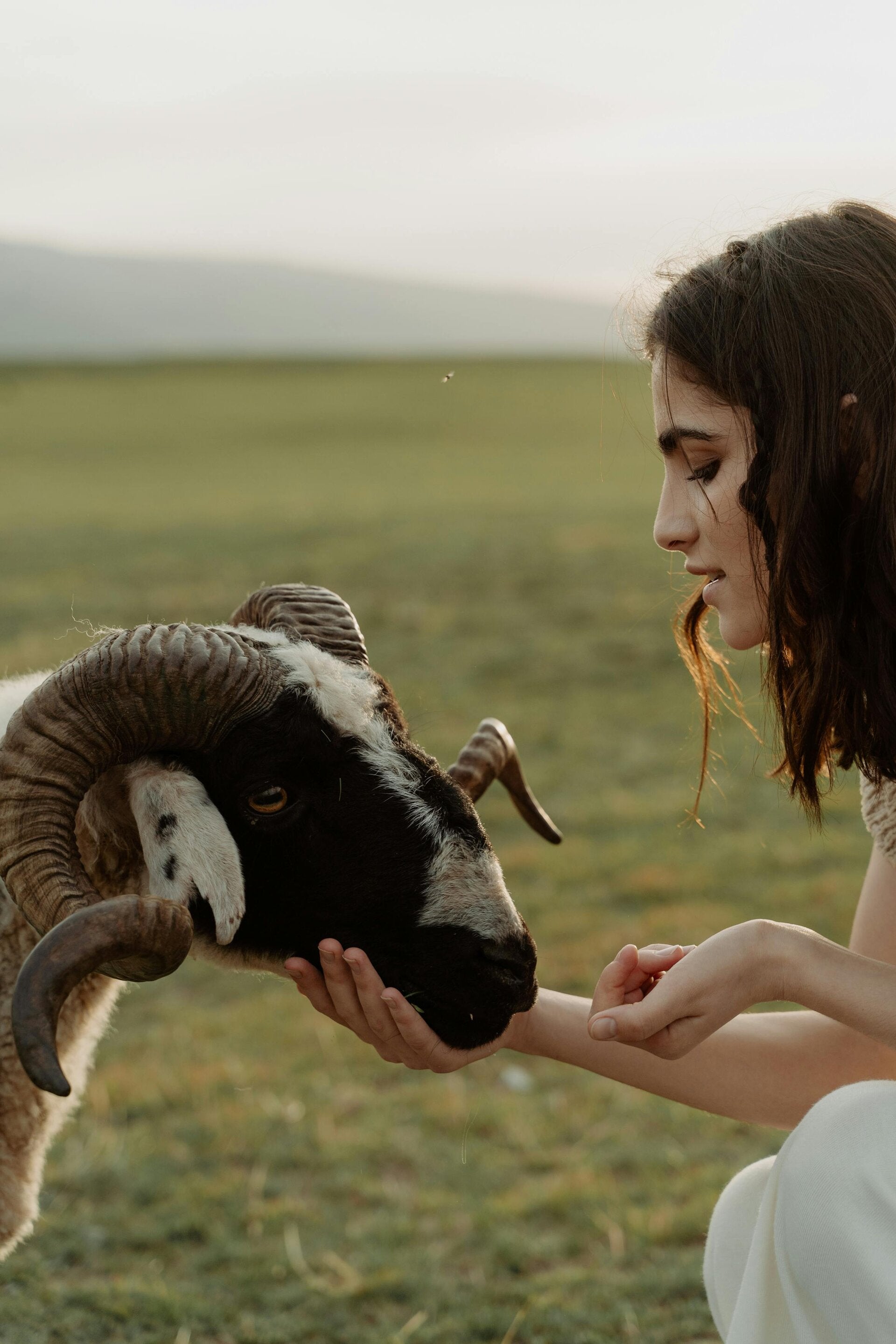
Animism is the belief that all entities, whether living or non-living, possess a spiritual essence or consciousness. Rooted in ancient traditions, this worldview sees a deep connection between humans, animals, plants, and even inanimate objects like stones or rivers. Practiced in various forms across cultures worldwide, animism often serves as the foundation for indigenous spiritual systems, emphasizing respect and harmony with the natural world. While it is not a formalized religion, animism reflects a spiritual perspective that values interconnectedness and acknowledges the vitality present in all aspects of life.
Norse Paganism: An Ancient Faith Revived
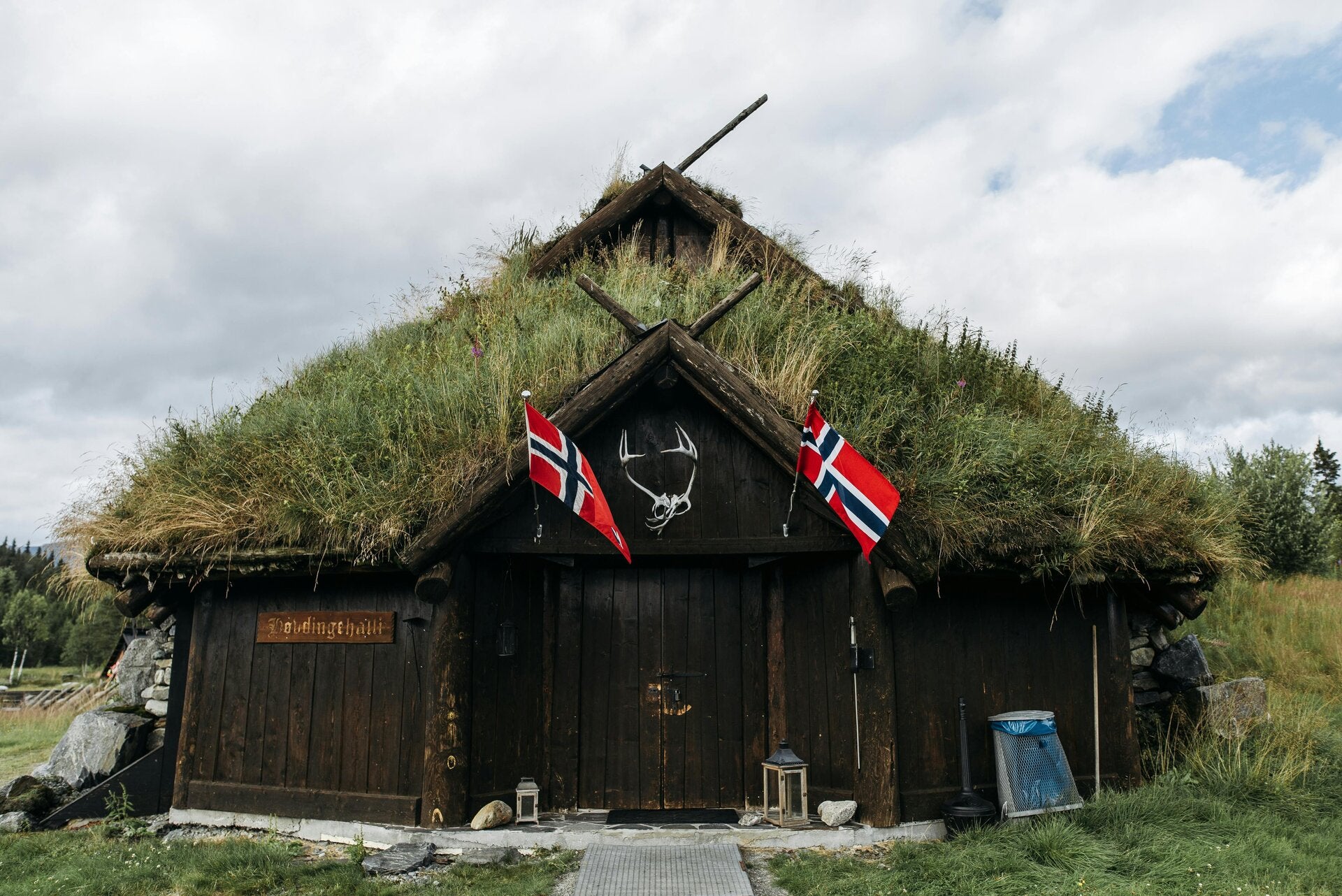
Norse Paganism, also known as Norse Heathenry or Ásatrú, is a modern revival of the religious beliefs, practices, and mythologies of the ancient Norse people. Rooted in the traditions of the Vikings and early Germanic tribes, Norse Paganism celebrates a polytheistic worldview where gods and goddesses such as Odin, Thor, Freyja, and Loki hold significant roles. These deities are often associated with elements of nature, wisdom, war, fertility, and the cosmic balance represented by Yggdrasil, the World Tree.
The spiritual practice of Norse Paganism focuses on honoring the gods and ancestors through rituals, offerings (known as “blóts”), and a deep respect for nature. It often emphasizes values such as courage, truth, honor, fidelity, discipline, hospitality, self-reliance, industriousness, and perseverance which were integral to Norse culture. Modern practitioners, or Heathens, adapt these traditions to contemporary life, creating a personal and community-based practice that resonates with ancient themes while reflecting today’s world.
For many, Norse Paganism is not just a religion but a way of life, connecting them to their heritage, the cycles of nature, and timeless stories of heroism and morality found in the Norse sagas. Whether approached as a spiritual path or a cultural interest, it continues to inspire and captivate people around the globe.

Celtic Paganism
Celtic Paganism refers to the ancient spiritual beliefs and practices of the Celtic people, who thrived across parts of Europe, including Ireland, Scotland, Wales, and Gaul. Rooted in a deep connection to nature, this polytheistic tradition honored various deities, spirits, and the cycles of the earth. Key aspects of Celtic Paganism include celebrating seasonal festivals like Samhain and Beltane, venerating sacred sites such as rivers, wells, and groves, and valuing the wisdom of druids, who served as spiritual leaders, healers, and keepers of knowledge. Although much of Celtic Paganism was suppressed during the rise of Christianity, modern practitioners and scholars work to revive and honor these ancient traditions, celebrating their enduring connection to the natural world and the cultural heritage of the Celts.

Druidism: A Connection to Nature and Ancient Wisdom
Druidism, often referred to as modern Druidry, is a spiritual and philosophical path rooted in ancient Irish traditions. It emphasizes a deep connection to nature, reverence for the Earth, and the pursuit of wisdom. While its origins date back thousands of years to the ancient Druids—spiritual leaders, storytellers, and healers of Celtic societies—modern Druidism has evolved into a practice that blends historical insights with contemporary values. Central to Druidism is the belief in honoring the natural world, fostering harmony with the environment, and seeking inspiration from the cycles of the seasons. Many who follow this path engage in rituals, meditation, poetry, and study to cultivate a sense of balance and spiritual growth. Whether embraced as a religion, philosophy, or lifestyle, Druidism offers a meaningful way to reconnect with nature and explore timeless wisdom in today’s fast-paced world.

Hellenic Paganism: Reviving Ancient Greek Traditions
Hellenic Paganism, also known as Hellenism or Hellenic Polytheism, is the modern revival of the ancient Greek religion, honoring the gods, values, and practices of classical Greece. Rooted in a polytheistic worldview, it celebrates deities such as Zeus, Athena, Apollo, and Artemis, alongside a strong emphasis on reverence for nature, philosophy, and community. Followers aim to integrate ancient traditions into modern life through rituals, offerings, festivals, and ethical principles inspired by texts like Hesiod’s "Theogony" and Homeric hymns. While not a singularly organized religion, Hellenic Paganism fosters a deep connection to ancient Greek heritage and spirituality, offering practitioners a meaningful way to explore history, mythology, and the sacred. Whether one follows it as a cultural practice or a spiritual path, Hellenic Paganism stands as a testament to the enduring legacy of Greek civilization.

Roman Paganism: A Glimpse into Ancient Beliefs and Practices
Roman Paganism, also known as the Religio Romana, was the polytheistic belief system practiced in ancient Rome. It revolved around a pantheon of deities such as Jupiter, Juno, Mars, Venus, and many others, each governing specific aspects of life and nature. These gods and goddesses were honored through rituals, prayers, and offerings to ensure harmony between the divine and mortal worlds. Roman Paganism placed great importance on tradition, family, and civic duty, with temples and festivals playing a central role in daily life. Over time, Roman religion absorbed elements of the cultures it encountered, including Greek mythology, which significantly influenced its practices and stories. Although the rise of Christianity eventually led to its decline, Roman Paganism remains a fascinating subject of study, offering insight into the spirituality, values, and societal structure of one of history's most influential civilizations.
Egyptian Kemetism
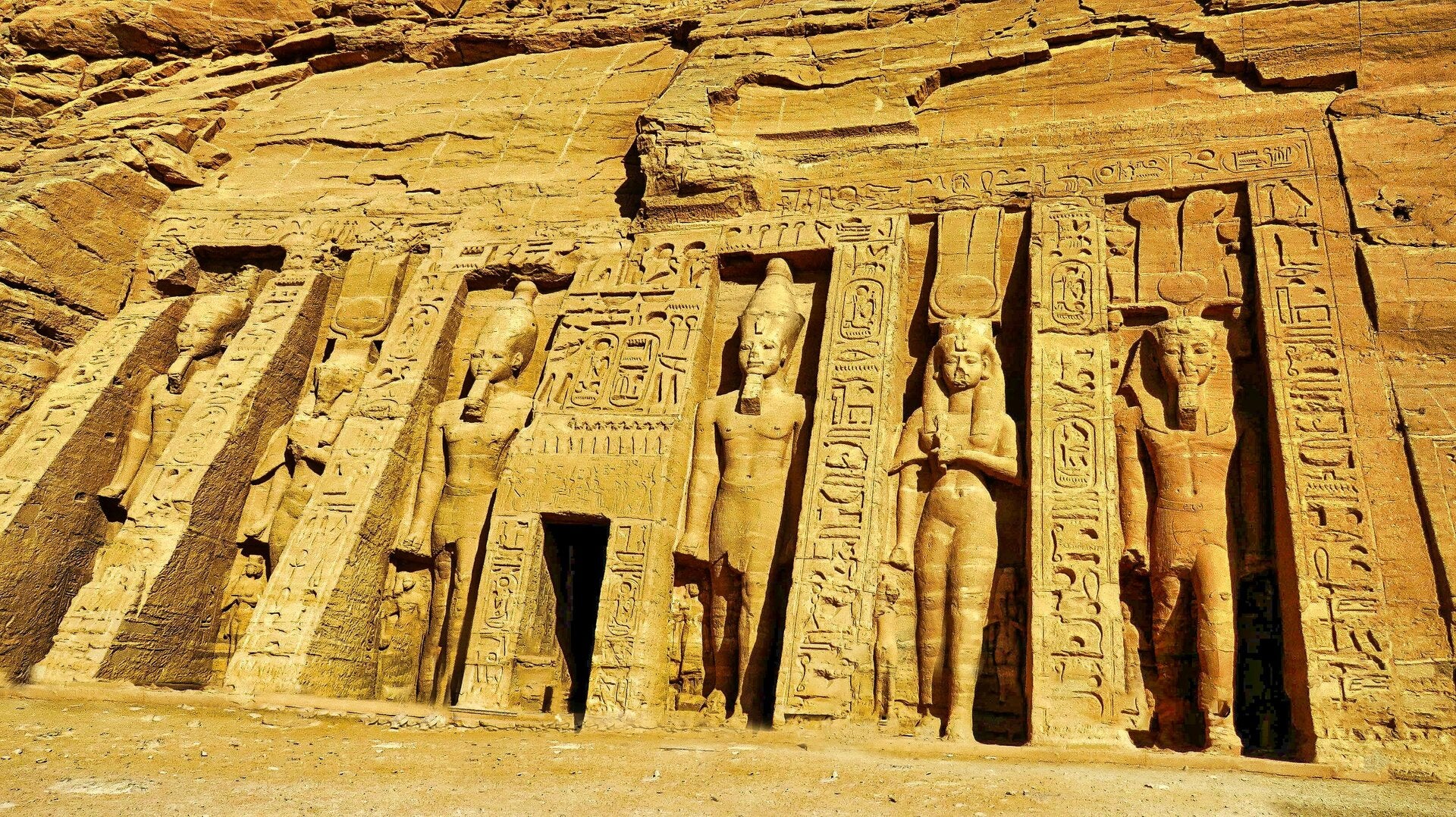
Egyptian Kemetism is a modern revival of the ancient spiritual practices, traditions, and beliefs of ancient Egypt, often referred to as Kemet by practitioners, which was the original name for the land in its native language. This belief system focuses on honoring the deities, nature, and cosmology of ancient Egyptian civilization while incorporating rituals, values, and ethical principles inspired by historical practices. Many followers of Kemetism seek to reconnect with the spiritual wisdom of one of the world’s oldest known civilizations, blending historical knowledge with modern interpretations. Today, Kemetism is often practiced through rituals, offerings, and a deep connection with Ma’at, the concept of truth, balance, and harmony that underpinned ancient Egyptian culture.

Slavic Paganism: An Ancient Spiritual Tradition
Slavic Paganism, also known as Rodnovery, is the ancient polytheistic religion practiced by the Slavic peoples before the arrival of Christianity. It centers around a pantheon of deities such as Perun, the god of thunder; Mokosh, the goddess of fertility and the earth; Dazhbog, the sun god; and Veles, the protector of livestock and trade. Slavic Paganism emphasizes harmony with nature and reverence for ancestral spirits, believing that the divine is present in all aspects of the natural world. Rituals, seasonal festivals, and offerings were integral to their spiritual practice, often held in sacred groves or near rivers and forests. This belief system also celebrated life cycles, including birth, marriage, and death, connecting them to cosmic and natural rhythms. Though largely replaced by Christianity in the Middle Ages, Slavic Paganism has seen a revival in modern times, with many people inspired by its rich mythology, cultural heritage, and deep connection to nature.

What is Hinduism?
Hinduism is one of the world's oldest religions, dating back over 4,000 years. Originating in the Indian subcontinent, it is a diverse and complex faith that encompasses a wide range of beliefs, practices, and philosophies. Unlike many other religions, Hinduism does not have a single founder or centralized religious text. Instead, it is deeply rooted in sacred writings such as the Vedas, Upanishads, Bhagavad Gita, and Ramayana. Fundamental to Hinduism are concepts like dharma (moral duty), karma (the law of cause and effect), and moksha (liberation from the cycle of birth and rebirth). With over a billion adherents worldwide, Hinduism is known for its rich traditions, vibrant festivals, and reverence for deities like Brahma, Vishnu, Shiva, and Devi. It promotes values such as compassion, tolerance, and respect for all forms of life, making it not just a religion but also a way of life for its followers.
Persian Paganism: A Glimpse into Ancient Spirituality
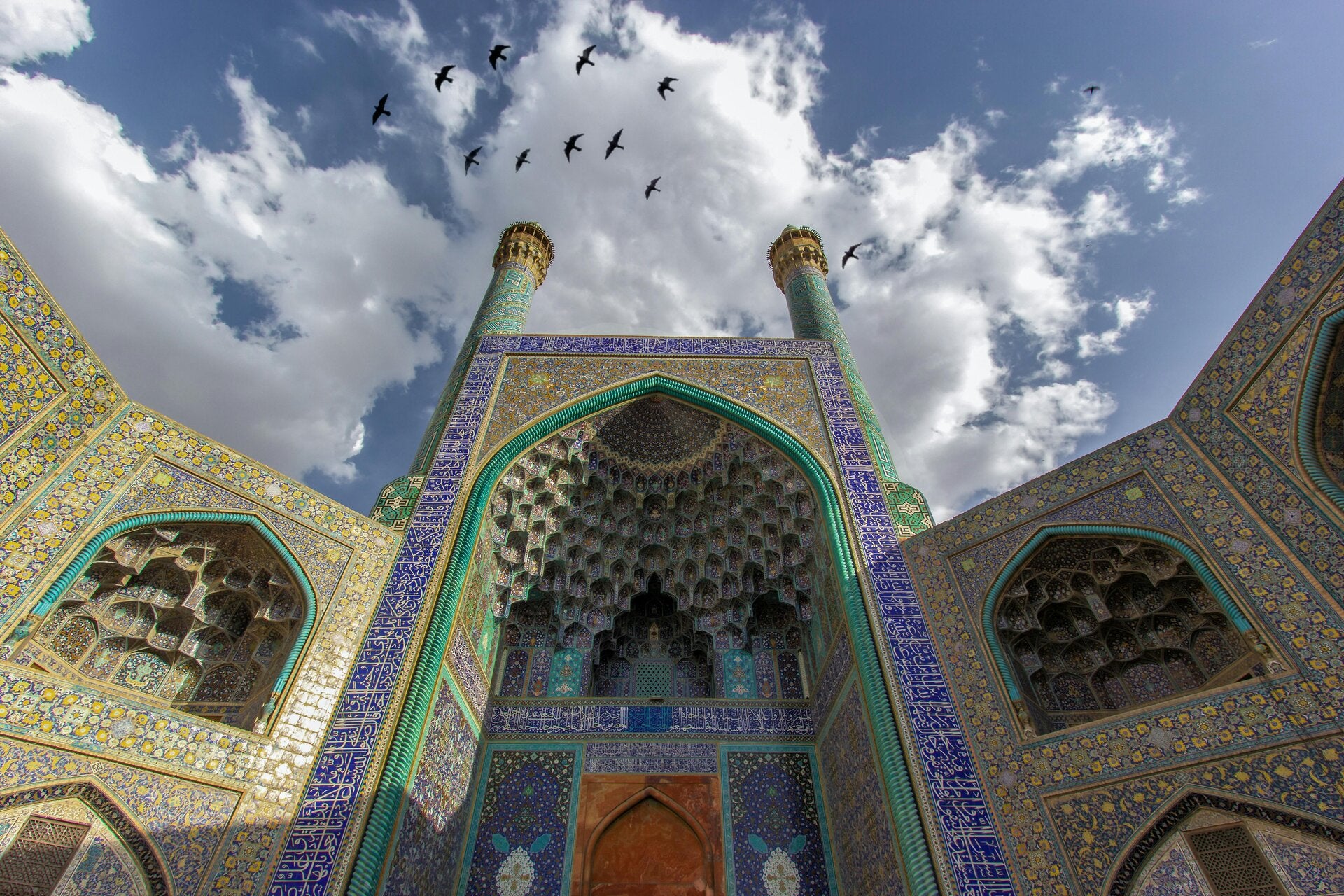
Persian Paganism refers to the pre-Zoroastrian spiritual and religious beliefs of the ancient Persian people, rooted in polytheism and nature worship. Before the rise of Zoroastrianism in the 6th century BCE, the Persians practiced a religion that included a diverse pantheon of deities, each representing natural forces, celestial bodies, and societal principles. Gods like Mithra, associated with the sun and covenants, Anahita, the goddess of water and fertility, and Ahura Mazda, a deity of wisdom and order, were central to their beliefs. Fire, water, and earth were considered sacred elements, often worshipped in open-air sanctuaries. Rituals included offerings, prayers, and festivals aligning with agricultural cycles and cosmic events. While Persian Paganism gradually gave way to Zoroastrianism and later Islam, its influence can still be seen in Persian mythology, traditions, and cultural practices, offering a fascinating window into humanity's spiritual heritage.